
If you manage a multi-dwelling property in Miami and you’re evaluating bulk Wi-Fi agreements, this guide helps you compare providers, understand true costs, and negotiate contracts that protect your residents and your budget.
Who this is for: HOA board members, property managers, condo associations, and developers overseeing buildings with 50+ units in Miami-Dade County.
What you’ll get: A provider comparison framework, cost breakdown model, contract negotiation checklist, and Miami-specific considerations for 2026.
Quick start: If you’re already comparing proposals, skip to the Decision Guide section for a side-by-side evaluation tool.
Miami’s real estate market continues to grow, with over 180,000 condo units across Miami-Dade County. Property managers face increasing pressure to deliver reliable, high-speed internet as a building amenity. Bulk apartment Wi-Fi agreements – where one provider serves an entire property at a negotiated rate – can reduce per-unit costs by 20-40% compared to individual subscriptions. But poorly negotiated contracts lock properties into outdated technology and inflexible terms.
What Is Bulk Wi-Fi and Why Does It Matter in Miami?
Bulk Wi-Fi refers to a single internet service agreement covering all units in a multi-dwelling property. Instead of each resident contracting individually with Comcast, AT&T, or another provider, the HOA or property management company negotiates one contract that includes every unit.
How it works: The provider installs building-wide infrastructure – typically fiber to a central distribution point, then ethernet or managed Wi-Fi to each unit. Residents receive internet as part of their HOA fees or rent, similar to water or trash service.
Miami-Specific Factors
Miami’s bulk Wi-Fi landscape differs from other markets for several reasons:
- Hurricane resilience requirements: After recent storm seasons, many associations now require backup power for network equipment and redundant connections
- High seasonal vacancy: Many Miami condos have 30-50% seasonal occupancy, affecting how you negotiate per-unit pricing
- Building age diversity: Pre-1980 buildings often require expensive retrofits, while newer towers have fiber-ready infrastructure
According to the FCC’s broadband deployment guidelines, minimum acceptable speeds for multi-family bulk agreements should now meet 100 Mbps download per unit, though many Miami providers offer 500 Mbps to 1 Gbps packages.
When Bulk Wi-Fi Makes Sense
Bulk agreements work best when your property has:
- 100+ units (economies of scale improve pricing)
- Aging individual infrastructure that needs replacement anyway
- Resident complaints about current service quality or cost
- Competitive amenities pressure from nearby buildings
Bulk Wi-Fi typically doesn’t make sense for properties under 50 units, buildings with existing long-term exclusive agreements, or communities where residents strongly prefer provider choice.

Bulk Wi-Fi Miami Provider Comparison: Decision Guide
Use this framework to evaluate proposals from Miami-area providers. Request quotes from at least three providers before making decisions.
Provider Evaluation Scorecard
Rate each provider 1-5 on these criteria:
| Criteria | Weight | What to Verify |
|---|---|---|
| Speed tier options | 20% | Minimum 500 Mbps available; 1 Gbps preferred |
| Uptime SLA | 20% | 99.9% minimum with financial penalties for breaches |
| Contract flexibility | 15% | Term length, exit clauses, technology upgrade provisions |
| Per-unit cost | 15% | All-in monthly cost including equipment fees |
| Installation scope | 10% | Who pays for in-unit wiring, common area equipment |
| Local support | 10% | Miami-based technicians, response time guarantees |
| Hurricane preparedness | 10% | Backup power, redundant connections, restoration priority |
Current Miami Market Pricing
Important: These are approximate ranges based on 100-200 unit buildings. Your actual quotes will vary based on building infrastructure, term length, and negotiation.
- Budget tier (100-250 Mbps): $25-35 per unit/month
- Standard tier (500 Mbps): $40-55 per unit/month
- Premium tier (1 Gbps symmetric): $55-75 per unit/month
These rates typically include equipment rental, basic support, and standard installation. They do not include one-time infrastructure buildout costs, which can range from $50,000-$200,000 depending on building condition. Properties seeking the premium tier should understand why symmetrical internet for MDUs delivers superior performance for residents who work from home or stream content.
Red Flags in Provider Proposals
Walk away or negotiate harder if you see:
- Contracts longer than 7 years without technology refresh clauses
- No uptime SLA or SLAs without financial penalties
- Exclusive marketing rights that prevent resident choice for premium tiers
- Vague language about who owns installed infrastructure
- No provisions for speed upgrades as technology improves
True Cost Analysis: What Bulk Wi-Fi Actually Costs in Miami
The monthly per-unit rate is only part of your total cost. Here’s how to calculate the complete financial picture.
One-Time Costs
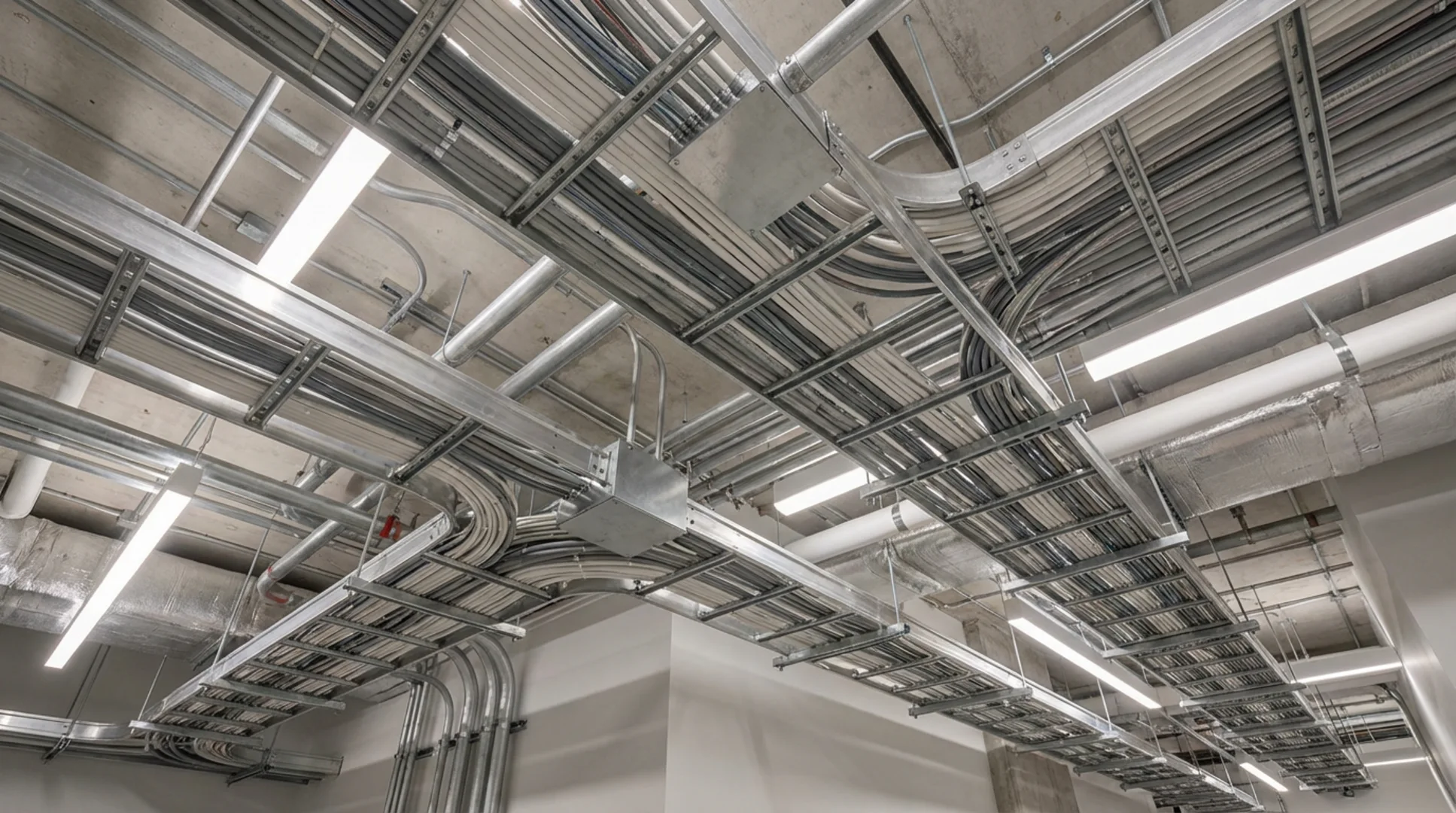
Infrastructure buildout: If your building lacks fiber or modern cabling, expect $300-800 per unit for installation. Some providers amortize this into monthly rates; others require upfront payment. For a 150-unit Miami high-rise built before 2000, budget $75,000-$120,000 for infrastructure.
Common area equipment: Routers, switches, and access points for lobbies, pools, and fitness centers typically add $15,000-$40,000. Clarify whether this is included in bulk agreements or billed separately. Many Miami properties also invest in outdoor Wi-Fi for MDUs to cover pool decks, courtyards, and rooftop amenity spaces.
Legal review: Have your association attorney review the contract. Budget $2,000-$5,000 for proper legal review of a multi-year agreement.
Ongoing Costs
Monthly service fees: Your quoted per-unit rate multiplied by total units – not occupied units. Most contracts require payment for all units regardless of occupancy.
Equipment replacement reserves: Budget 5-10% of annual service costs for equipment that fails outside warranty periods.
Management time: Someone must handle resident complaints, coordinate with the provider, and manage the relationship. Factor in 2-5 hours monthly of staff or board member time.
Cost Comparison Example
For a 150-unit Miami condo comparing bulk Wi-Fi to individual subscriptions:
Individual subscriptions (current state):
- Average resident pays $75/month for 300 Mbps
- 70% of units subscribe = 105 paying households
- Total monthly spending: $7,875
Bulk agreement option:
- $45/unit for 500 Mbps (all 150 units)
- Total monthly: $6,750
- Added to HOA fees: $45/unit
The bulk option costs less overall while delivering faster speeds to all units. However, the 30% of units not previously subscribing now pay for internet through their HOA fees—a common point of resident pushback.
Contract Negotiation Checklist for Miami Properties
Use this checklist when reviewing bulk Wi-Fi proposals. Each item should be explicitly addressed in your final contract. Avoiding common pitfalls is critical – review these condo Wi-Fi systems mistakes before finalizing any agreement.
Essential Contract Terms
Term length and renewal:
- Initial term is 5-7 years maximum (avoid 10+ year agreements)
- Auto-renewal requires 180+ days notice to cancel
- Early termination clause exists with defined buyout formula
Service level agreements:
- Uptime guarantee of 99.9% or higher
- Financial credits for SLA breaches (not just “best efforts”)
- Defined response times: 4 hours for outages, 24 hours for individual unit issues
- Hurricane/disaster restoration priority and timeline
Technology provisions:
- Speed upgrade path defined (what happens when 1 Gbps becomes standard?)
- Equipment refresh schedule included
- Provider responsible for technology obsolescence
Financial terms:
- Annual price increase cap (3-5% maximum)
- No hidden fees for “network management” or “infrastructure maintenance”
- Clear payment terms for vacant units
Miami-Specific Provisions
Given South Florida’s unique conditions, ensure your contract addresses:
- Hurricane preparedness: Provider maintains backup power for minimum 24 hours at main distribution points
- Restoration priority: Written commitment to restoration timeline after declared emergencies
- Seasonal billing: If applicable, provisions for reduced rates during low-occupancy months
- Salt air/humidity: Equipment rated for coastal environments with appropriate warranties
For guidance on telecommunications contracts, the Florida Bar’s consumer resources provide information on contract review and dispute resolution.

Negotiation Leverage Points
You have more negotiating power than you might think. Providers want long-term, stable revenue from MDU contracts. Use these leverage points:
- Competitive bids: Get three written proposals minimum. Providers will match or beat competitors.
- Building count: If your management company oversees multiple properties, negotiate as a portfolio.
- Timing: Q4 and Q1 often see better deals as providers push to meet annual targets.
- Infrastructure contribution: Offer to contribute to buildout costs in exchange for lower monthly rates or shorter terms.
Implementation Timeline: From Decision to Go-Live
Expect 4-8 months from initial evaluation to full service activation. Here’s a realistic timeline for Miami properties.
Months 1-2: Evaluation
- Request proposals from 3-5 providers
- Conduct building infrastructure assessment
- Survey residents about current service satisfaction
Month 3: Selection and Negotiation
- Score proposals using evaluation framework
- Negotiate terms with top 2 candidates
- Legal review of final contract
Month 4: Board/Owner Approval
- Present recommendation to HOA board
- If required, conduct owner vote for assessment or fee increase
- Execute contract
Months 5-7: Installation
- Provider completes infrastructure buildout
- Unit-by-unit installation scheduling
- Common area activation
Month 8: Go-Live
- Full service activation
- Resident communication and support setup
- 30-day monitoring period
Your Next Steps
Bulk Wi-Fi can deliver significant value to Miami properties – lower costs, better service, and a competitive amenity. But success depends on thorough evaluation and careful contract negotiation.
This week: Download or print the evaluation scorecard and contract checklist from this guide. Identify which providers serve your area and request initial proposals.
This month: Complete your building infrastructure assessment. Survey residents about current internet satisfaction and willingness to include service in HOA fees.
Before signing: Have your association attorney review the final contract. Ensure all Miami-specific provisions – hurricane preparedness, equipment ratings, restoration timelines—are explicitly included.
The right bulk Wi-Fi agreement protects your property for years. Take the time to negotiate it properly.