
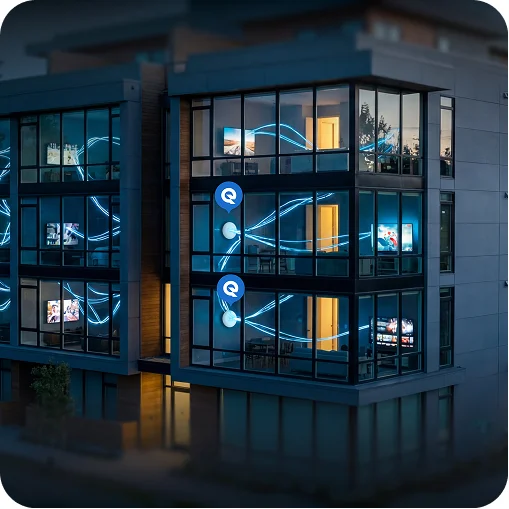

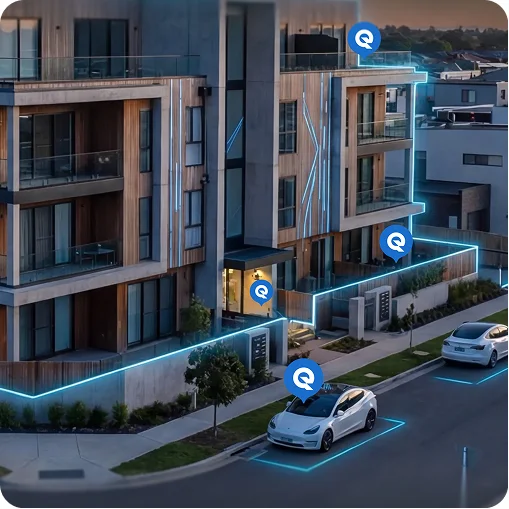

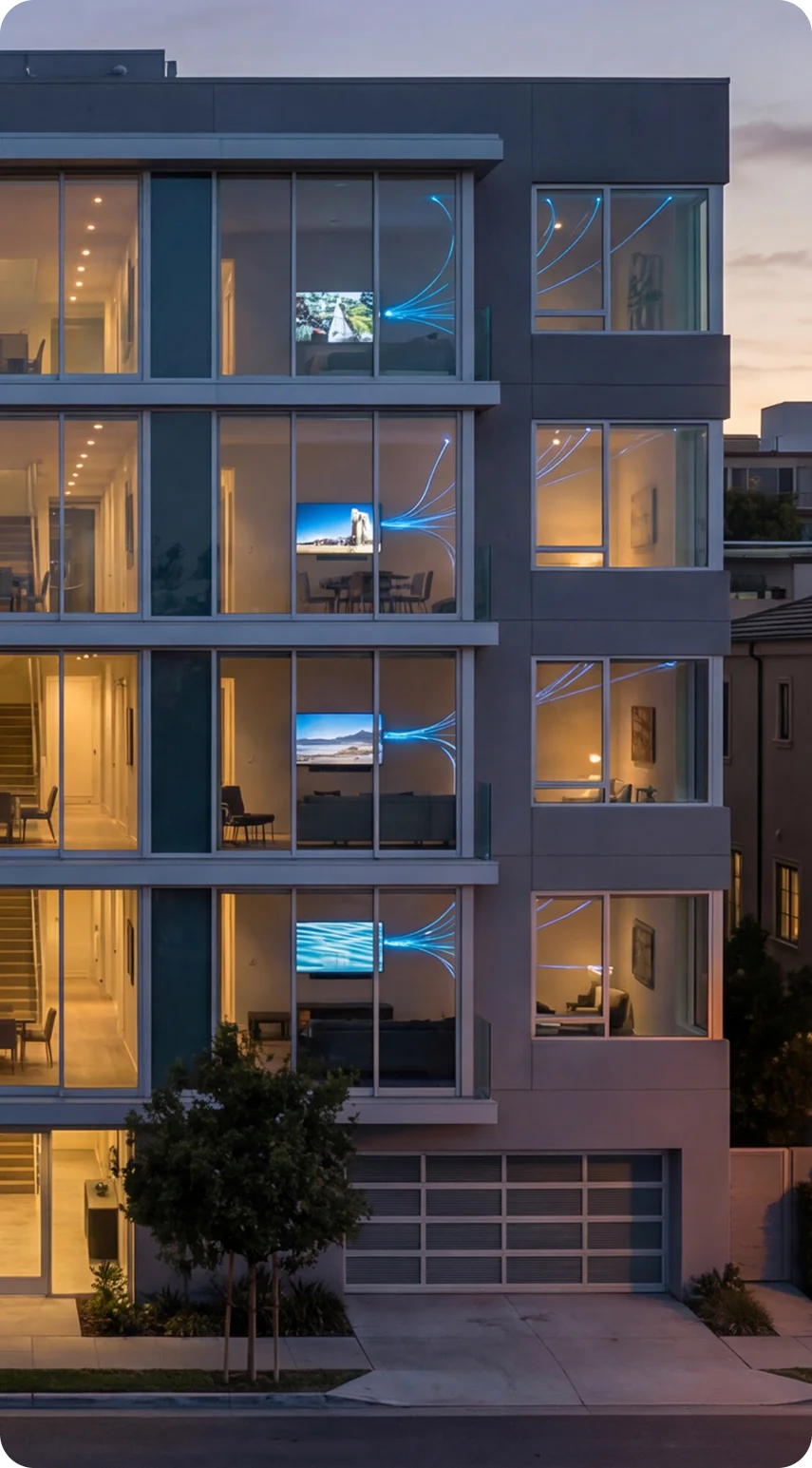


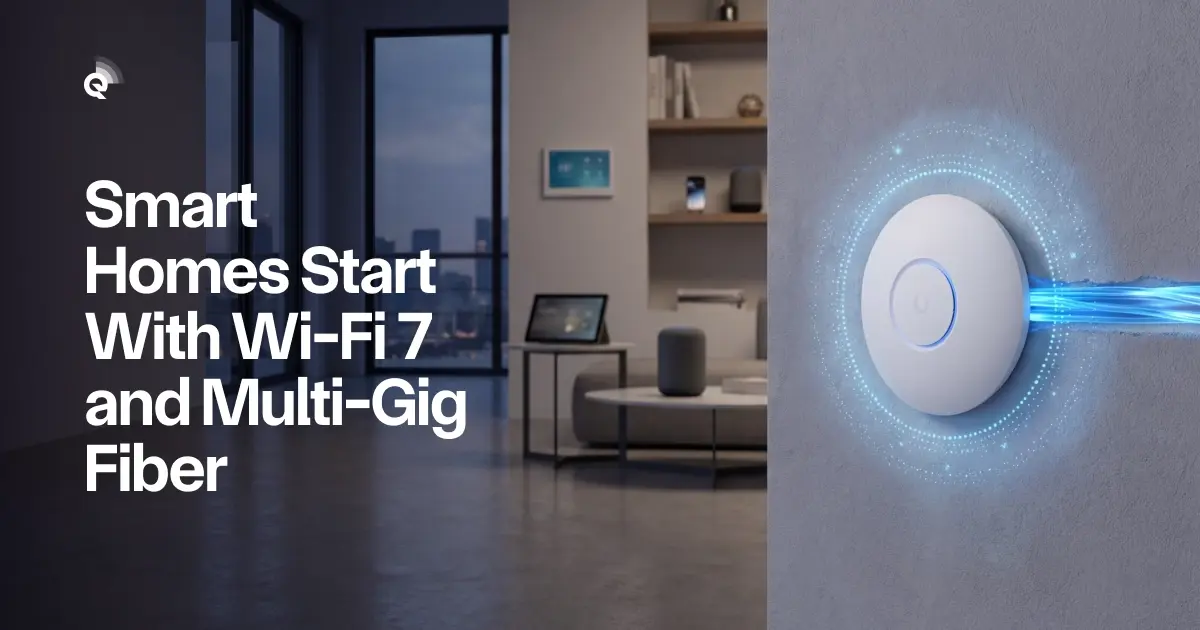
In 2026, a home does not become “smart” because it has connected lights or a voice assistant. Intelligence in the home is now measured by how quickly systems respond, how reliably devices coordinate, and how seamlessly automation operates under load.
At the center of that experience is the network.
The combination of Wi-Fi 7 and multi-gig fiber has moved from emerging technology to baseline infrastructure. For HOAs, developers, and MDU operators, this shift is not cosmetic. It affects resident satisfaction, long-term operating costs, and the competitive position of the property itself.
Why Connectivity Expectations Have Changed
Modern homes support far more than casual connectivity. A single residence can easily run dozens of simultaneous endpoints, from security and environmental systems to entertainment, health monitoring, and automation logic.
Legacy wireless standards and single-gig uplinks struggle in these environments. Congestion appears first as latency, then as instability. Devices disconnect. Automations lag. Support calls increase.
Wi-Fi 7 addresses the air-interface problem through multi-link operation, wider channels, and improved scheduling efficiency. But wireless performance is only as strong as the network feeding it. Without multi-gig fiber backhaul, even the most advanced access points become constrained.
Latency Matters More Than Raw Speed
As homes begin to operate as coordinated systems rather than independent devices, responsiveness becomes critical.
Window shading adjusts dynamically. Audio and video synchronize across rooms. Power usage is optimized in real time. Local decision-making replaces cloud round trips wherever possible.
These scenarios demand consistent, low-latency communication between devices, access points, and network controllers. Wi-Fi 7 reduces contention on the wireless side. Fiber ensures stable performance between the home and the broader network.
In smart-home environments, milliseconds matter.
The Rise of Local Intelligence
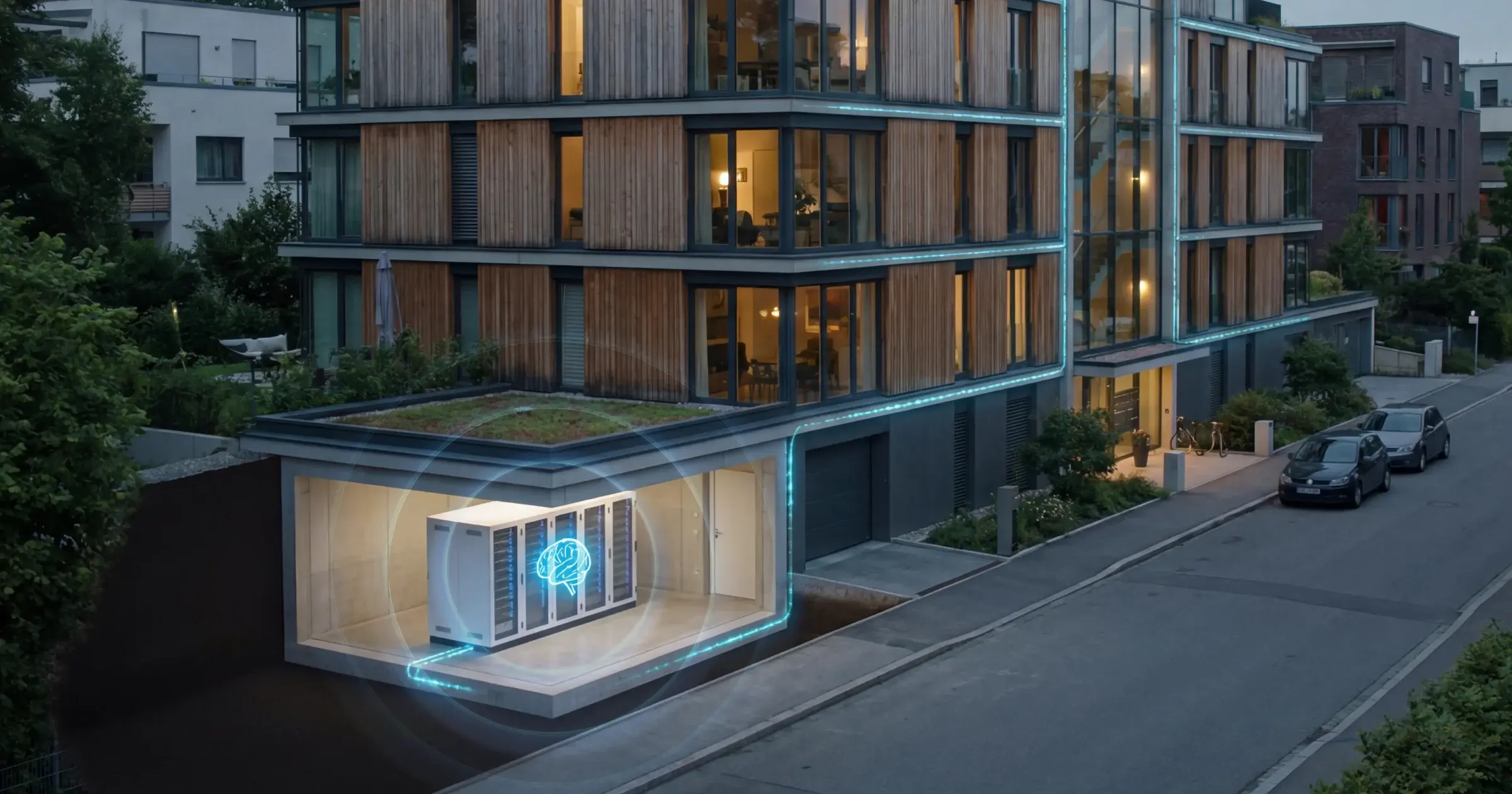
Artificial intelligence is moving closer to the edge of the network. In-home displays, cameras, appliances, and automation hubs are beginning to process data locally rather than relying exclusively on the cloud.
This shift improves responsiveness, preserves privacy, and reduces dependency on external latency. It also places new demands on internal network architecture. Data must move quickly and predictably between devices, local compute nodes, and storage systems.
Wi-Fi 7 paired with multi-gig fiber provides the capacity and stability required to support this transition without redesigning the network every few years.
Designing Infrastructure That Does Not Age Poorly
Homes are built for decades. Networks often are not.
Under-provisioned connectivity becomes visible the moment new use cases appear. Higher-resolution video, immersive applications, predictive automation, and health monitoring systems quickly expose bottlenecks in older designs.
Communities planning for the next generation of smart living must account for growth rather than minimum requirements. That means designing networks with expansion, redundancy, and headroom from day one.
A Practical Infrastructure Baseline
Forward-looking communities are defining clear standards instead of reacting to technology changes after the fact.
At a minimum, homes should be served by symmetrical multi-gig fiber connections with a defined upgrade path. Internal backhaul must eliminate bottlenecks between access points and core equipment. Wireless coverage should be dense enough to maintain performance through walls and neighboring interference, with full Wi-Fi 7 feature support.
Redundancy planning is no longer optional. Dual uplinks or fallback paths protect service continuity. Latency targets must be engineered, not assumed. Local edge compute capability should be planned into wiring closets or media panels to support caching and AI workloads.
Equally important is governance. Performance telemetry, acceptance testing under load, and clear upgrade clauses ensure that infrastructure remains aligned with evolving expectations rather than frozen at installation.
Operational Risks to Address Early
Advanced connectivity introduces new design considerations. Dense environments require careful channel planning. Mixed device generations demand graceful fallback behavior. Power budgets must account for PoE requirements and backup systems. Security must extend across mesh links and backhaul paths, not just endpoints.
Clear communication matters as well. Marketing claims must reflect real, device-level performance, not theoretical core speeds.
How This Impacts Community Value
Communities that establish strong connectivity baselines see benefits beyond technical metrics.
Residents experience fewer disruptions and faster adoption of new technologies. Support demands decrease. Listings that include advanced connectivity stand out, particularly among remote professionals and technology-forward households.
Perhaps most importantly, infrastructure designed for intelligence and growth preserves relevance. As expectations rise, these communities do not scramble to catch up. They are already prepared.
Redefining the Smart Home Baseline
Wi-Fi 7 and multi-gig fiber are no longer premium upgrades. They are the minimum requirements for homes that respond intelligently, scale gracefully, and support the next wave of digital living.
For HOAs, developers, and MDU operators, connectivity decisions now shape experience, positioning, and long-term value. The communities that recognize this early will define the standard others are forced to follow.